Understanding Lead Times

Regarding electronics manufacturing and sourcing, one factor can significantly impact timelines, costs, and project success: lead time. Whether you’re designing a new product, scaling production, or managing inventory for ongoing projects, lead time can make or break your supply chain. 

At Live Electronics, we understand that managing lead times isn’t just about logistics, it’s about ensuring continuity, reducing risk, and ultimately staying competitive. Here’s why understanding and managing lead times is crucial in electronic component sourcing. 

What Is Lead Time in Electronics?

Lead time refers to the time between placing an order for components and receiving them. It encompasses multiple stages: order processing, manufacturing (if components are not in stock), testing, packaging, and shipping. 

Lead times can vary based on: 

  • Type of component 
  • Manufacturer production schedules 
  • Global supply chain disruptions 
  • Logistics and customs processes 

Why Lead Times Matter

1. Production Planning

Every electronics manufacturer works with tight deadlines. Long or uncertain lead times can halt production lines, delay product launches, and increase operational costs. Accurate lead time data allows manufacturers to schedule efficiently and avoid disruptions. 

2. Inventory Management

Maintaining the right stock levels is key to lean operations. Order too early, and you tie up cash in inventory. Order too late, and you risk shortages. Understanding lead times allows for just-in-time inventory strategies, reducing excess stock while keeping production flowing. 

3. Cost Control

Emergency component sourcing and expedited shipping are expensive and can quickly eat into profit margins. By planning around expected lead times, companies can avoid higher shipping fees and last-minute sourcing from costlier distributors. 

4. Risk Mitigation

In recent years, global events like the pandemic and geopolitical shifts have shown how vulnerable electronics supply chains can be. Components that once had 4–6 week lead times may now take 20+ weeks. Having a firm grasp on lead time trends allows businesses to proactively mitigate risks, through buffer stock, alternate sourcing, or redesigns using more available parts.

Stay Ahead with Smart Planning

Understanding lead times is no longer optional—it’s a strategic necessity in today’s electronics industry. With ongoing supply chain challenges and growing demand across industries, proactive planning and strong supplier relationships have never been more important. 

Whether you’re a startup designing your first PCB or an OEM scaling global production, Live Electronics is here to ensure that lead times never become a problem. 

Exploring Different Weipu Connectors

As an electronic component distributor, we understand the importance of reliable connectivity solutions across all industries. Weipu is a well-respected brand known for its high-quality connectors which are IP rated, designed for harsh environmental conditions. In this post, we explore the various connector series options that Weipu offer, highlighting their unique features and benefits. 

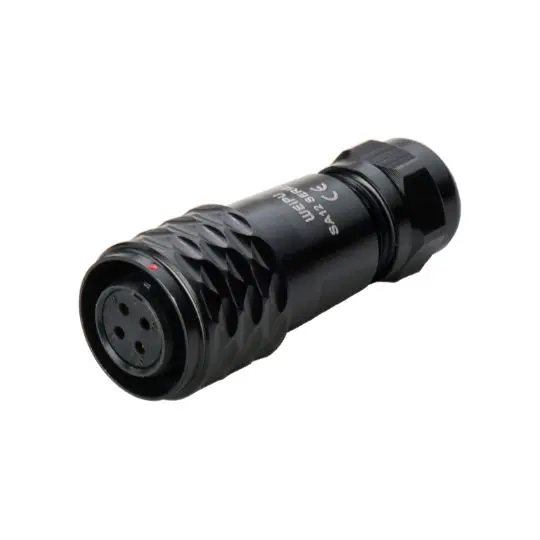
Weipu SA12 Series Push Pull Connector

SA Series – Compact & Durable Push-Pull Connectors


The SA series of waterproof connectors are designed for durability, featuring robust push-pull couplings and an IP67 rated seal. They are ideal for both in-line cable-to-cable connections and cable-to-panel mount setups, with the flexibility of choosing either male or female configurations. 

Available in multiple panel mount sizes, these connectors support 2 to 26 gold-plated contacts with solder, crimp, or screw-style terminations. The SA series also offers a variety of anodised housing colours, including black, silver, green, red, and blue, ensuring a suitable option for nearly any application. 

These connectors are perfect for power and data applications across various industries, including outdoor lighting, LED screens, security cameras, medical devices, and industrial control systems. 

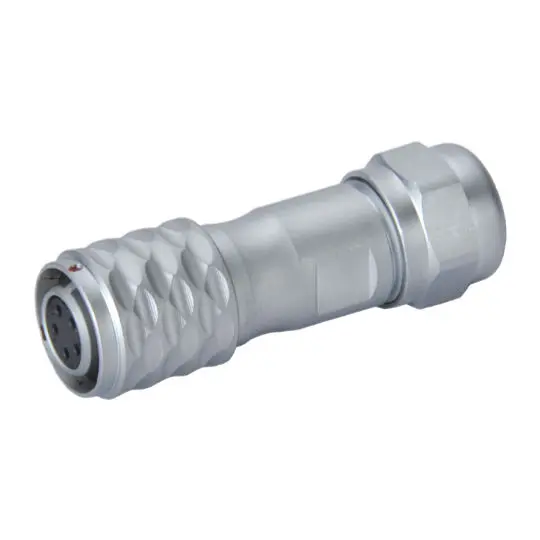
Weipu SF10 Series Push Pull Connector

SF Series – Robust Metal Connectors with High-Performance Sealing


The SF series of waterproof connectors are built for reliability, featuring robust push-pull couplings and an IP67 rated seal. Designed for versatility, they support both in-line cable-to-cable connections and cable-to-panel mount configurations, with the option of male or female connectors on either end. 

Available for various panel cut-out sizes, these connectors offer 2 to 15 gold-plated contacts with solder, crimp, or screw-style terminations, ensuring compatibility with a wide range of applications. 

Ideal for power and data transmission, the SF series is well-suited for outdoor lighting, LED screens, security cameras, solar energy systems, medical devices, marine equipment, and industrial control systems. 

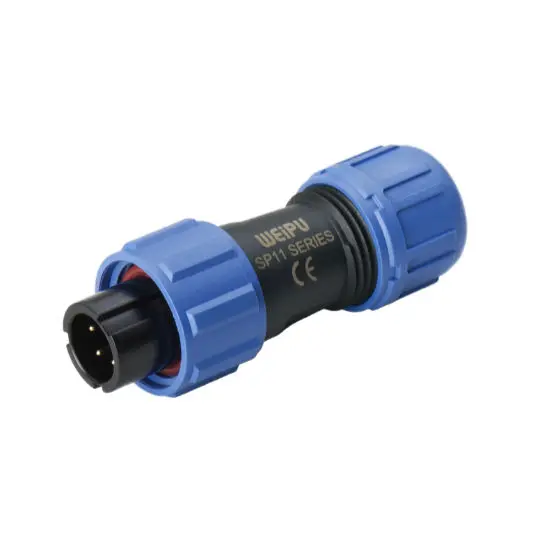
Weipu SP11 Series Threaded Connector

SP Series – Reliable Threaded Connectors for Extreme Environments


The SP series of waterproof connectors are built for durability, featuring secure threaded couplings and an IP68 rated seal. Designed for versatility, they support both in-line cable-to-cable connections and cable-to-panel mount configurations, with the option of male or female connectors on either end. 

Available for a range of panel cut-out sizes, these connectors accommodate 2 to 35 gold-plated contacts with solder, crimp, or screw-style terminations, providing a solution for a wide range of applications. 

Ideal for power and data transmission, the SP series is perfect for outdoor lighting, LED screens, security cameras, solar energy systems, medical devices, marine equipment, and industrial control systems. 

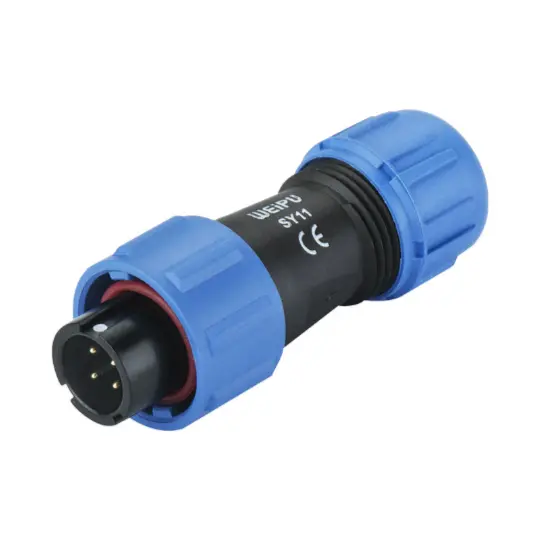
Weipu SY11 Series Bayonet Connector

SY Series – Quick and Secure Bayonet Coupling


The SY series of waterproof connectors are robust circular connectors featuring secure bayonet couplings and an IP67 rated seal. Designed for flexibility, they support both in-line cable-to-cable connections and cable-to-panel mount configurations, with the option of male or female connectors on either end. 

Available in a selection of panel cut-outs, these connectors accommodate 2 to 35 gold-plated contacts with solder, crimp, or screw-style terminations, making them suitable for a wide range of applications. 

Ideal for power and data transmission, the SY series is perfect for outdoor lighting, LED screens, security cameras, solar energy systems, medical devices, marine equipment, and industrial control systems. 

Choosing the Right Weipu Connector for Your Needs

Each Weipu connector series is designed to meet specific requirements, from rugged industrial environments to high-performance electronics. Whether you need a durable metal connector, a lightweight plastic option, or a quick bayonet coupling, Weipu provides a solution tailored to your needs. 

For more information on Weipu connectors and to find the best fit for your application, contact Live Electronics today! 

Enhancing AGV and AMR Safety: Understanding ISO 3691-4:2023

Introduction

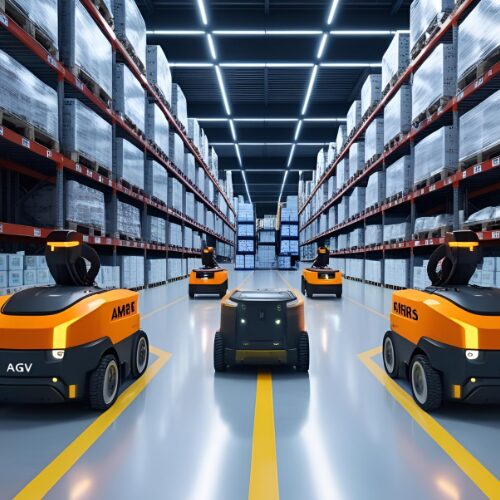
Automated Guided Vehicles (AGVs) and Autonomous Mobile Robots (AMRs) are transforming industries by optimising logistics, warehousing, and manufacturing processes. However, as these systems operate alongside human workers, safety becomes a crucial concern and priority. The ISO 3691-4:2023 standard provides a comprehensive framework for ensuring the safe design, integration, and operation of these driverless vehicles. In this blog, we explore the key aspects of ISO 3691-4:2023 and its impact on AGV/AMR safety. 

Understanding ISO 3691-4:2023

ISO 3691-4:2023 is an international safety standard that outlines essential requirements for industrial automated vehicles, ensuring their safe interaction with humans and other equipment. It covers various aspects such as risk assessment, functional safety, and performance validation for AGVs and AMRs operating in shared environments. 

Key Requirements of ISO 3691-4:2023

Risk Assessment and Hazard Mitigation

  • Identifies potential hazards associated with AGV/AMR operation. 
  • Requires manufacturers and integrators to conduct a thorough risk assessment. 
  • Focuses on mitigating collision risks, entrapment hazards, and system failures. 

Functional Safety Measures

  • Defines performance levels (PL) and safety integrity levels (SIL) for AGV/AMR safety functions. 
  • Ensures proper implementation of safety-rated sensors, braking systems, and obstacle detection. 
  • Emphasises redundancy in critical safety functions to minimise single-point failures. 

Navigation and Environmental Awareness

  • Requires AGVs/AMRs to reliably detect and respond to obstacles in dynamic environments. 
  • Specifies criteria for sensor performance, including LiDAR, cameras, and ultrasonic sensors. 
  • Includes provisions for emergency stop functions and safe speed adjustments. 

Human-Machine Interaction and Operator Safety

  • Establishes guidelines for collaborative operation between AGVs/AMRs and human workers. 
  • Recommends clear visual and auditory signalling for AGV/AMR presence and movement. 
  • Defines safe operational zones and restricted access areas to prevent accidents. 

Validation and Performance Testing

  • Requires rigorous testing procedures before AGVs/AMRs are deployed. 
  • Ensures compliance with braking distances, acceleration limits, and emergency stop functions. 
  • Includes periodic maintenance and safety audits to sustain long-term operational safety. 

Benefits of Implementing ISO 3691-4:2023

Enhanced Workplace Safety: By adhering to the standard, businesses can significantly reduce workplace accidents, ensuring AGVs and AMRs operate safely around human workers. 

Regulatory Compliance and Liability Reduction: Compliance with ISO 3691-4:2023 helps manufacturers and operators meet global safety regulations, minimising legal and financial risks. 

Improved Operational Efficiency: Safety compliance results in fewer disruptions due to accidents or breakdowns, leading to increased efficiency and productivity. 

Greater Trust in Automation: Following standardised safety protocols fosters trust among employees, making them more willing to work alongside AGVs and AMRs. 

Conclusion

ISO 3691-4:2023 is a vital standard for ensuring the safe and efficient operation of AGVs and AMRs in industrial environments. By implementing its guidelines, businesses can enhance workplace safety, achieve regulatory compliance, and optimise the performance of their automated systems. As technology evolves, continuous adherence to safety standards will be essential in fostering a seamless and secure transition toward automation. 

For businesses looking to integrate AGVs and AMRs, compliance with ISO 3691-4:2023 is not just a recommendation—it’s a necessity for a safer and more productive future. 

What Can Live Electronics Supply? Small Joysticks for Drones

In the world of drone technology, achieving precision and maintaining control are of utmost importance. Joysticks need to be responsive but also highly reliable to ensure seamless manoeuvrability and prevent operational failures. Whether you’re piloting a recreational drone, managing an industrial-grade UAV, or working on a custom drone project, the right joystick makes all the difference. Live Electronics is proud to offer a range of small joysticks tailored for drone applications, featuring cutting-edge designs from leading manufacturers like Ruffy and Ultra. This blog will showcase multiple excellent joysticks available through Live Electronics: the TS2, TSD (no actuator) and HS1 from Ruffy, and the 462C from Ultra. 

TS2

1. Ruffy TS2 and TSD Joysticks

The TS2 and TSD joysticks from Ruffy are a top-tier choice for drone applications and professionals seeking a high-performance, hall effect joystick in a compact design. Its small size makes it ideal for space constrained setups without compromising on control or durability. Designed for smooth and responsive operation, the TS2 and TSD are perfect for applications that require precision, offering a reliable and efficient solution for demanding environments. 

Key Features: 

  • Small Compact Design: The TS2 and TSD are small and lightweight which make it perfect for portable drone controllers. Its compact size allows for easy integration without sacrificing precision or reliability, ensuring perfect performance in a streamlined design. 
  • Durability: Built with high quality materials, it’s designed to withstand wear and tear, ensuring reliability over time, with 2,500,000 actuations guaranteed. 
  • Customisability: The TS2 and TSD offer customisable configurations, allowing users to adapt the joystick for specific control needs. 
  • Smooth Operation: Its ergonomic design ensures that pilots can enjoy seamless control with minimal effort. 
HS1

2. Ruffy HS1 Joystick

Another exceptional offering from Ruffy, the HS1 joystick, providing an excellent balance of size and functionality. Designed with professional grade performance in mind, the HS1 is ideal for advanced drone control systems. 

Key Features: 

  • High Accuracy: With advanced sensor technology, the HS1 delivers exceptional accuracy for critical manoeuvres. 
  • Robust Construction: Engineered for rigorous use, the HS1 stands up to challenging environments. 
  • Smooth Operation: The joystick provides a smooth operating experience, enhancing the user’s control experience. 
  • Versatility: Compatible with a wide range of drone systems, the HS1 is perfect for both commercial and hobbyist applications. 

Whether you’re conducting aerial photography or managing industrial UAV operations, the HS1 ensures you stay in complete control. 

3. Ultra 462C Joystick

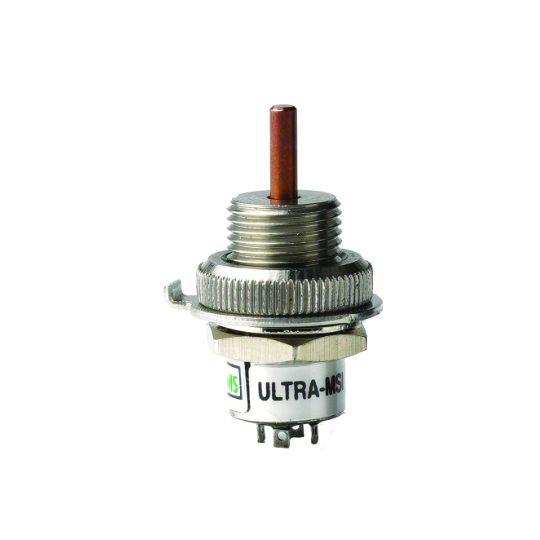
The 462C series of subminiature force joysticks from Ultra Electronics delivers exceptional precision and durability within a rugged and compact design. These potentiometer-based joysticks convert two-axis force input from your fingertip or thumb into a highly precise voltage output, making them ideal for the most demanding environments. 

Key Features: 

  • Slim Profile: Designed for space-saving controllers, the 462C is small, measuring 0.375” diameter and 0.5” depth below panel. 
  • Rugged Housing: Built to withstand challenging conditions, these joysticks are designed for long-term reliability. 
  • Specialised Design: Originally designed for Aerospace and Military markets, the 462C series integrate seamlessly into grips and panels for advanced control systems. 

These joysticks are engineered to meet the high standards of aerospace applications while offering precision and adaptability. They’re also ideal for commercial applications throughout a variety of other industries. 

Why Choose Live Electronics?

Live Electronics is committed to supplying high-quality components for drone technology. Here’s why we stand out: 

  • Expertise: Our team has extensive knowledge of our joystick range and how these can best support your application. 
  • Top Brands: We partner with leading manufacturers like Ruffy and Ultra to ensure you get the best products. 
  • Support: From product selection to post-purchase assistance, we’re here to help you every step of the way. 
  • Customisation: Need a joystick tailored to your project? We offer customizable options to meet your unique requirements. 


Get Started Today! 

Ready to elevate your drone operations with high-quality joysticks? Contact Live Electronics today to learn more about the TS2, HS1, and 462C models or to explore our full range of products. Whether you’re building a custom drone or upgrading your current system, we have the perfect joystick for your needs. 

How IoT is Changing Consumer Electronics

The Internet of Things (IoT) has become a transformative force in the consumer electronics industry, redefining the way businesses operate and interact with technology. This revolution is particularly evident in how companies optimise processes, enhance efficiency, and create smarter, more adaptive systems. At the core of this transformation are Programmable Logic Controllers (PLCs), which provide the intelligence and control necessary for seamless automation and data-driven decision-making. Here’s a deeper dive into how IoT, powered by PLCs, is reshaping the consumer electronics landscape.

Seamless Connectivity

IoT-driven PLCs are enabling a level of integration and connectivity that was previously unattainable. By connecting devices and systems across an operation, these controllers streamline processes and improve overall performance. For example, in modern manufacturing, connected assembly lines equipped with IoT-enabled PLCs can monitor performance metrics, detect potential issues, and self-adjust in real time. To make these advancements even more powerful, these metrics can be linked to an app or website. With the integration of real-time data from PLCs and IoT devices, users can access performance insights, track key metrics, and receive alerts from anywhere in the world. This reduces downtime, improves product quality, and boosts operational efficiency. Beyond manufacturing, smart home devices like thermostats, security systems, and entertainment systems rely on IoT connectivity to deliver a unified user experience.

Operational Efficiency

One of the most significant benefits of IoT and PLC integration is the real-time data they provide. This data enables businesses to optimize processes, reduce waste, and improve efficiency. Manufacturers, for instance, can leverage predictive analytics powered by IoT to identify wear and tear on machinery before it leads to costly breakdowns. Additionally, PLCs ensure precise control of machines, maintaining consistent product quality while minimising resource usage. This is particularly critical in a competitive industry where margins are tight and consumer expectations for high-quality products are unwavering.

Enhanced User Experience

IoT’s impact isn’t limited to back-end operations; it also transforms the end-user experience. Smart consumer electronics, such as voice-activated assistants, wearable fitness trackers, and advanced kitchen appliances, use IoT to deliver tailored, intuitive interactions. These devices adapt to user preferences, learn from behaviour, and integrate with other smart systems to create a cohesive ecosystem. PLCs can play a vital role in ensuring that these devices operate reliably and efficiently, handling complex tasks in real time to meet user expectations.

Scalability and Flexibility

In today’s fast evolving markets, scalability and adaptability are critical for staying competitive. IoT enabled PLCs empower businesses to scale operations or adapt to new demands without overhauling their existing infrastructure. For instance, as consumer preferences shift or new technologies emerge, manufacturers can reprogram PLCs to accommodate these changes. This agility not only reduces downtime during transitions but also positions companies to capitalise on emerging trends quickly.

Driving Innovation

IoT has opened the door to unprecedented levels of innovation in consumer electronics. By integrating PLCs with IoT, businesses can experiment with advanced capabilities like remote diagnostics, machine learning, and even augmented reality. These technologies have the potential to revolutionize how devices are built and used. For example, remote diagnostics powered by IoT allow companies to troubleshoot and update devices without requiring physical access, ensuring minimal disruption for consumers.

Conclusion

IoT enabled PLCs are driving smarter, more efficient operations in the consumer electronics industry, paving the way for ground-breaking advancements and seamless integration. By embracing these technologies, businesses can optimise processes, reduce costs, and deliver exceptional user experiences. As technologies like artificial intelligence, 5G, and edge computing continue to mature, the potential for IoT will only grow. Companies that stay ahead of the curve by leveraging these advancements will not only thrive but also set the standard for the future of the industry.

Live Electronics Introduces IDEC’s HG1G Human-Machine Interface: A High-Performance Solution for Industrial Automation

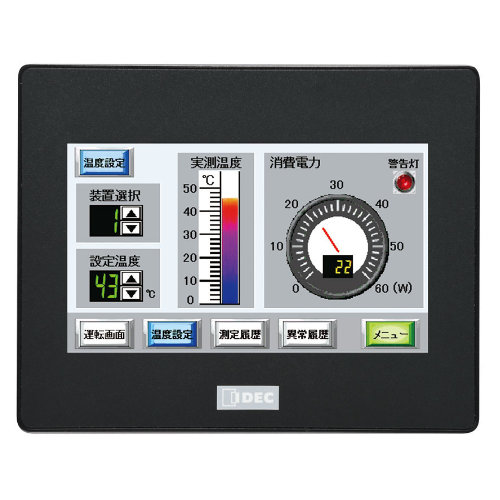
Live Electronics is excited to announce the availability of the IDEC HG1G Human-Machine Interface (HMI), a compact and high-performance solution for industrial automation applications. This advanced HMI device, developed by IDEC, a global leader in automation technology, brings robust functionality, reliability, and versatility to diverse industrial environments, especially where space is limited. 

The HG1G HMI features a 4.3-inch wide-format touchscreen with an intuitive, high-clarity display for delivering real-time, detailed information. Designed with industrial durability in mind, the HG1G boasts IP66 or IP67F ratings when panel thickness is below 1.5mm, ensuring maximum resistance to dust, water, and harsh environmental conditions. This HMI’s compact design does not compromise on performance—featuring enhanced processing power and memory for rapid data display and storage in demanding operations.  

With energy efficient LED backlighting, the HG1G supports an extended operating life, making it well-suited for continuous industrial operations. This HMI is also designed with connectivity in mind; it supports both Ethernet and serial communication, enabling integration with a wide array of PLCs and other expansion modules. Furthermore, the HG1G’s programming software enables easy and quick project creation, reducing the overall development time and lowering costs for system integrators and OEMs. 

“We are thrilled to expand our HMI product lineup with the HG1G”, said Luke Hartley, Managing Director of Live Electronics. “Its compact design and high functionality make it ideal for machine builders and other industrial users looking for a versatile, reliable, and easy-to-use interface in even the most demanding applications. The HG1G offers our customers a new level of control and flexibility to optimise their automation solutions.” 

Available now from Live Electronics, the HG1G HMI sets a new standard for compact HMIs, offering unparalleled usability and durability in a range of industrial environments. IDEC’s latest HMI product provides an accessible, powerful solution for industries that require efficient, reliable interface technology in a limited space environment. 

The New ISO 10218:2023 Standards: Enhancing Robotic Safety in Industrial Environments


In today’s industrial landscape, robots are more integral to production than ever before. The rise of automation and collaborative robotics (cobots) has driven the need for more robust safety standards. To address these evolving challenges, the ISO 10218 standards, which govern the safety of industrial robots, received an update in 2023. The new ISO 10218-1:2023 and ISO 10218-2:2023 standards offer improved guidance for manufacturers, system integrators, and end-users of robots, ensuring that robots can function safely alongside human workers and within broader automated systems. 

What is ISO 10218? 

The ISO 10218 series consist of two primary parts: 

1. ISO 10218-1:2023 addresses the safety requirements for the robotic manipulator, controller and teaching pendant, particularly for manufacturers of industrial robots.

2. ISO 10218-2:2023 provides guidelines for the integration of robots into complete systems and workplaces, primarily focusing on system integrators and machine builders. 

Both standards ensure that robots meet critical safety benchmarks, protecting both the humans working near them and the systems they interact with. 

Key Updates in the 2023 Edition 

The 2023 revision of ISO 10218 brings about several significant changes aimed at improving both the functionality and safety of industrial robots in modern applications. The key updates focus on risk assessment, collaborative robotics, and cybersecurity. 

  1. Risk-Based Flexibility

One of the most notable changes in ISO 10218:2023 is the introduction of more flexible requirements based on the risk level of the application. This is particularly important for collaborative robots, which often work in close proximity to humans. The standard no longer prescribes rigid safety functions for all applications. Instead, it allows the performance level to be derived through a comprehensive risk assessment, ensuring safety measures are tailored to the specific risks presented by each application​. 

  1. Collaborative Robot Safety

The rise of collaborative robots, or cobots, has necessitated new safety approaches. ISO 10218-1:2023 and ISO 10218-2:2023 incorporate provisions from ISO/TS 15066, which specifically addresses the safe design of collaborative robots. These new guidelines provide more detailed requirements for ensuring safe interaction between humans and robots. They include safety measures for mitigating risks associated with physical contact and detailed instructions on designing safe workspaces​. 

  1. Cybersecurity Integration

As robots become more connected, cybersecurity has emerged as a crucial consideration. The updated ISO 10218-1:2023 now includes requirements to protect robots from unauthorized access. Cyberattacks can cause robots to malfunction, potentially leading to safety risks. The standard references the IEC 62443 series, which outlines security measures for industrial control systems, ensuring that the robot’s control systems are protected from external threats​. 

  1. New Functional Safety Requirements

The updated standards also introduce new functional safety requirements. For example, robots must have at least two operational modes—manual and automatic—with specific safety conditions for switching between them. In particular, the use of off-on-off switches is of particular importance to the safety of robots and cobots both in training the system and during normal function. Additionally, new guidelines now govern safe handling, storage, and transportation of robots, further enhancing the overall safety framework. 

  1. Expanded Safety Functions

Another new feature is the mandatory inclusion of certain safety functions, such as the “normal stop” function, which is now required in all robots to ensure quick and safe halts in operation. This is a significant addition to the safety features required under previous versions of the standard. 


Conclusion

The new ISO 10218-1:2023 and ISO 10218-2:2023 standards represent a crucial step forward in ensuring the safety of industrial robots. By incorporating risk-based flexibility, enhanced guidelines for collaborative robots, and cybersecurity requirements, these standards provide a comprehensive framework for safe robotic operations. As automation continues to grow, adherence to these standards will be essential for manufacturers, integrators, and end-users alike, ensuring that industrial robots can safely and effectively collaborate with humans and other systems in the workplace. 

Live Electronics Ltd works with manufacturer IDEC to supply industry leading enabling (off-on-off) switches, safety interlocks and laser systems along with their safety commander offering the ability to use a modern tablet while retaining safety functionality such as enabling switches and estops. 

Live Electronics to Showcase Leading Suppliers GT Contact & Degson at EDS 2024

Live Electronics is excited to announce its participation at the Engineering Design Show (EDS) 2024, taking place on 9th-10th October at the Coventry Building Society Arena. Visitors can explore a broad range of products at Stand G70, including connector solutions from GT Contact and Degson. 

Both GT Contact and Degson are known for delivering robust, high-performance components. GT Contact will be showcasing their waterproof connectors, designed to withstand harsh environments while ensuring reliable connections. Degson will present their board mount and in-panel connectors, which offer flexibility and durability for a wide range of applications. This is a unique opportunity to engage with product experts and see firsthand how these solutions can improve project designs. 

Live Electronics will also have a comprehensive selection of products from its other trusted suppliers on display, including PLCs, connectors, joysticks, and much more. With a focus on providing solutions that meet the diverse demands of today’s electronics industry, Live Electronics continues to be a go-to partner for OEMs and engineers alike. 

Live Electronics takes pride in delivering exceptional service and building long-lasting relationships with customers. The team will be on hand throughout the event to offer advice, product recommendations, and insights into how their solutions can help power the future of your designs. 

For more information, or to set up a meeting with our team at EDS 2024, please contact sales@liveelectronics.co.uk

Custom Cable Assemblies

Custom Cable Assemblies for Precision Engineering Projects

In the highly technical world of precision engineering, the smallest components can make the biggest difference. Custom cable solutions are one such critical component that can separate a good project from a great one. Whether you’re in electronics, telecommunications, manufacturing or engineering, the need for bespoke cable assemblies is ever-present and paramount. But what exactly makes these custom solutions so crucial, and how can they transform your projects?

Have you ever considered how the right custom cable assembly can revolutionise your engineering project?

Key Takeaways

  • Understand how custom cable assemblies fulfil unique technical requirements
  • Discover the benefits of using bespoke cable solutions in various industries
  • Learn about different types of custom cable assemblies and their applications
  • Get insights into Live Electronics’ expertise in providing high-quality custom cables
  • Find out how to contact Live Electronics to discuss your custom cable needs

Understanding Custom Cable Assemblies

In-depth Understanding of Custom Cable Assemblies

Custom cable assemblies are designed and manufactured to meet your specific technical needs. Unlike off-the-shelf options, which are often a one-size-fits-all solution, custom cables are crafted to meet the unique specifications of your project. This demand often arises from industries such as telecommunications, medical and electron​ics, where standard cables simply won’t suffice.

From choosing the cable and connector type to selecting the materials and performance standards, engineers have a plethora of options at their disposal. This level of customisation is not just about getting the right fit, but also about adhering to stringent quality standards. Our tailored assemblies minimise downtime, optimise operational efficiency and ensure that your engineering project runs smoothly.

The intricacies involved in selecting the perfect cable assembly begin with a thorough understanding of project needs. Engineers must consider factors that include electrical load, environmental conditions and specific functionalities to ensure that the chosen cable assembly will perform as expected.

A notable advantage here is that custom cable assemblies are incredibly versatile. Whether you’re working on a telecommunications project that requires high-speed data transmission or an medical application where durability is critical, bespoke solutions can meet all these demands. The end goal is to improve overall functionality and performance, ensuring that your equipment and systems run without a hitch.

Moreover, custom cable assemblies play a pivotal role in enhancing the reliability of your projects. By adhering to specific performance standards and using high-quality materials, our cable assemblies ensure long-lasting operation, thereby reducing the risk of failures and subsequent project delays.

Benefits of Custom Cable Assemblies

Advantages of Custom Cable Assemblies

When it comes to engineering projects, there’s no room for error or inefficiency.

Custom cable assemblies are manufactured to exact specifications, which significantly reduces the risk of technical failures. Generic cables can’t promise this level of assurance, especially when your project has unique requirements that necessitate specialised solutions.

Another significant benefit is the flexibility in design, length and connector types that custom cable solutions offer. This allows you to create configurations that fit seamlessly into your existing setup, eliminating the need to make alterations to your equipment or layout. This flexibility can be the difference between a project that faces constant tweaks and one that hits the ground running.

Cost savings are another compelling argument in favour of custom cable assemblies. While the upfront investment might seem higher compared to off-the-shelf options, bespoke cables often prove to be more cost-effective in the long run. For example, customised cable assemblies are designed to be robust and durable, reducing the frequency of replacements and associated downtime. Over time, this means significant cost savings and improved operational efficiency.

The benefits extend beyond reliability and cost-effectiveness. Customised cables can enhance the overall functionality and performance of your equipment. When every component, including the cables, works in harmony, the result is a smoothly operating system that delivers peak performance.

Finally, investing in custom cable assemblies translates into better cable management. With a chaotic array of standard cables, managing and organising them can become a logistical nightmare. Custom solutions streamline this process, leading to a more organised and efficient workspace.

Types of Custom Cable Assemblies

Various Types of Custom Cable Assemblies

Now that you’re aware of the benefits, it’s essential to understand the types of custom cable assemblies available. Different projects require different kinds of cables, and knowing your options helps ensure you choose the right one.

Multi-conductor cables are often the go-to for complex wiring needs. These cables have multiple wires encased in a single outer sheath, providing a neat and efficient solution for systems requiring numerous connections. They are perfect for control and data applications, where managing multiple signals in a single cable run is advantageous.

Coaxial cables are ideal for applications that demand shielding against electromagnetic interference (EMI). These cables feature an inner conductor surrounded by a tubular insulating layer, a metallic shield, and an insulating outer layer. They are extensively used in communications and signal transmission where quality and integrity of the signal are paramount.

For high-speed, reliable data transmission, data cables are the obvious choice. These include Ethernet cables and other specialised cables designed to handle fast data transfer rates efficiently. IT and communication systems often rely on these cables to maintain robust and uninterrupted operations.

Power cables are designed to safely and efficiently transmit electrical power. These cables are made to endure heavy electrical loads and withstand harsh environmental conditions. They are commonly used in industrial settings, construction sites, and other rugged environments where durability and reliability are critical.

Hybrid cables combine multiple types of cables into a single assembly, streamlining installation and reducing clutter. For instance, a hybrid cable may integrate power, data, and control conductors. This makes them invaluable in setups where you need multiple functionalities but want to minimise the number of individual cables.

Each of these cable types plays a specific role in ensuring that your project requirements are met. By knowing which type best fits your needs, you are better equipped to make informed decisions that enhance the efficiency and success of your project.

Live Electronics: Your Source for Custom Cable Assemblies

Live Electronics: Leading Custom Cable Assembly Supplier

If you’re looking for a reliable source for custom cable assemblies, look no further than Live Electronics. With extensive experience and expertise in designing custom cable solutions, we are your go-to provider for all bespoke cable needs. Our team works closely with our manufacturing partners to craft cables tailored to your specific project requirements.

One of the standout features of Live Electronics is our commitment to using top-grade materials. This focus on quality results in cables that are not only durable but also deliver peak performance. Whether you need cables for telecommunications, medical or any other industry, we ensure you get the best.

Our team is adept at understanding complex project needs and translating them into practical cable solutions. From the initial consultation phase to the final product delivery, we are with you every step of the way, ensuring that we meet your technical specifications and performance standards.

Another advantage is our comprehensive range of testing and quality assurance services. Every cable assembly undergoes rigorous testing to confirm its reliability and durability. This level of quality assurance gives you peace of mind, knowing that your project is backed by cables that won’t let you down.

Competitive pricing and excellent customer service further cement Live Electronics as a trusted partner. You not only get high-quality custom cables but also enjoy a smooth and hassle-free experience from start to finish. Our team is always ready to assist you, ensuring that your custom cable needs are met efficiently and effectively.

Contact Live Electronics for Custom Cable Solutions

Contact Live Electronics for Tailored Cable Solutions

Ready to elevate your precision engineering projects with custom cable solutions? Our team at Live Electronics is eager to discuss your unique requirements. Experts in the field, we offer invaluable advice and consultation to make sure you get exactly what you need.

Contacting Live Electronics is straightforward. Whether it’s via phone or email, our support team is always ready to assist. From the initial consultation to the final stages of production, we ensure a seamless process that meets your project’s unique specifications. By partnering with Live Electronics, you unlock access to the best solutions for your engineering endeavours.

Frequently Asked Questions

What is custom cabling?

Custom cabling refers to the process of designing and manufacturing cables specifically tailored to meet the unique requirements of a particular project or application. These cables are created to fit precise specifications for length, connectors, and other features, ensuring optimal performance and functionality.

What is a cable assembly?

A cable assembly is a ready-to-install combination of cables and connectors, typically designed for a specific purpose or application. These assemblies come in various configurations, such as power cables, data cables, and signal cables, and can be customized to meet the specific needs of precision engineering projects.


 

Sibalco Command Smartline Enhances Control Panel Solutions


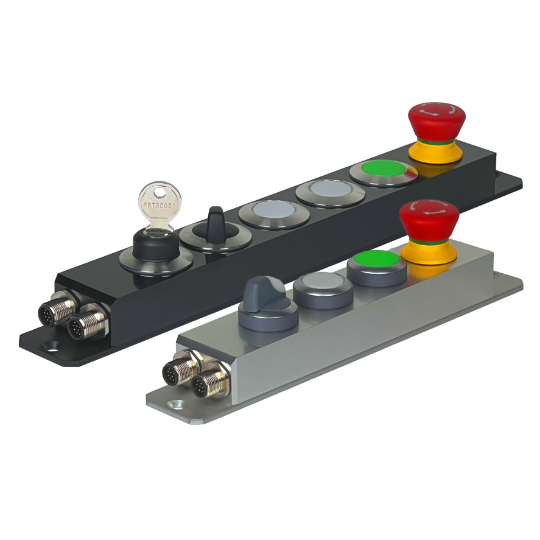
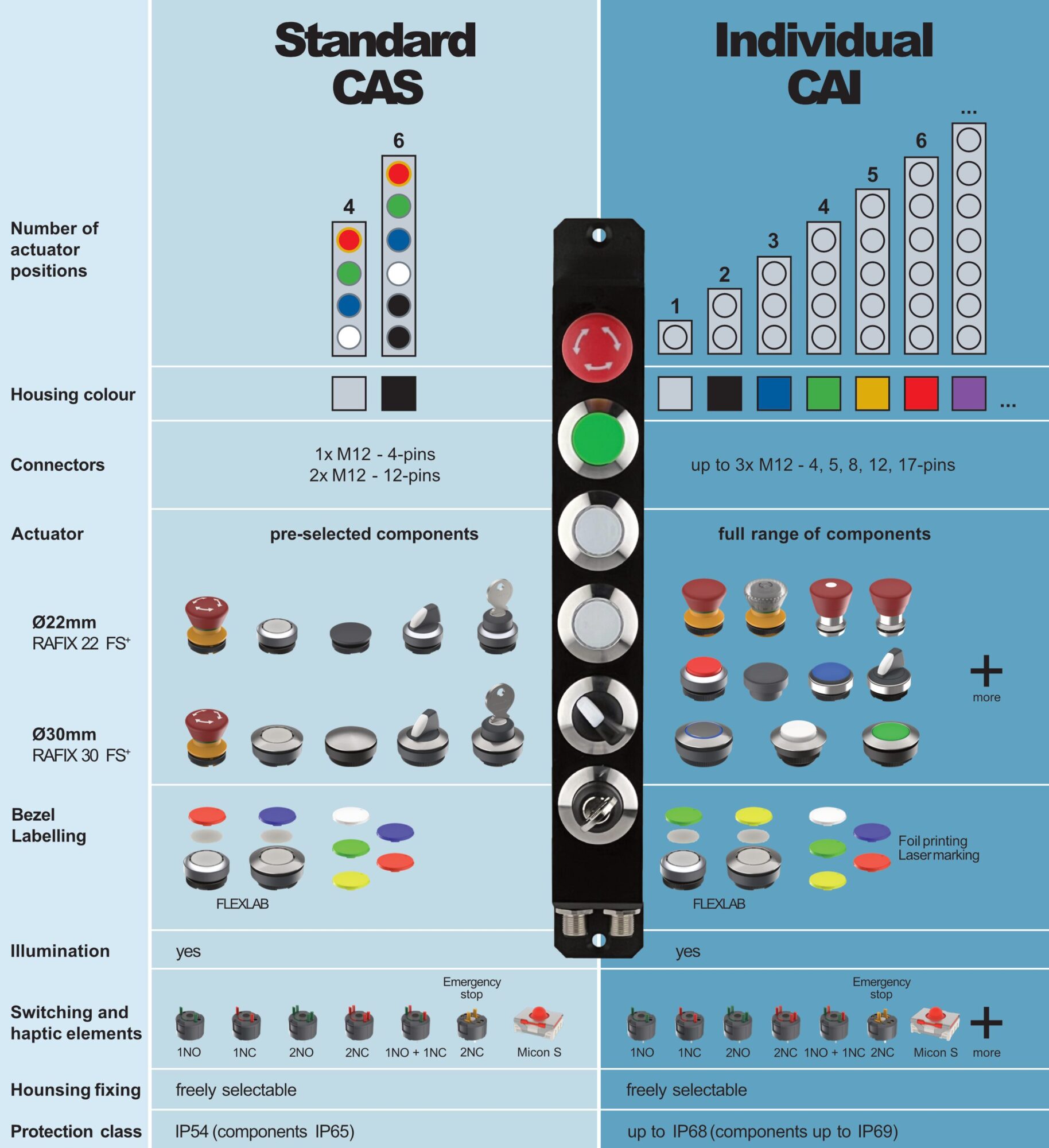
The Sibalco Command Smartline range, offers seamless integrated control devices, with multiple actuation options, and M12 connections, to save on wiring time. Tailored to meet exact specifications, the Smartline series redefines control panel design for efficiency and customisation. 

CAS

The standard CAS Smartline is engineered for fast, simple integration, and is semi-customisable. With the option for 4 or 6 actuator positions, this control device is durable, constructed from stainless steel or anodised black stainless steel, with a rating of IP54 for enhanced protection. Actuator options for the standard Smartline included a selection of RAFI components, including emergency stops, signal indicators, illuminated push buttons, selector switches and more. 


CAI

For projects which are seeking even more customisation, the CAI individual Smartline range is an ideal solution. Engineered to accommodate any number of actuator points and any housing colour, the CAI individual Smartline has the selection of the full range of high-end RAFI actuators, which includes selector switches, illuminated pushbuttons, and much more. Made with durability in mind, the CAI units can be made from various materials, with a rating up to IP68. 

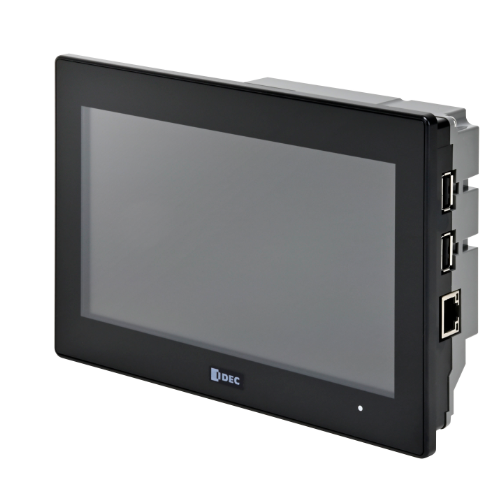
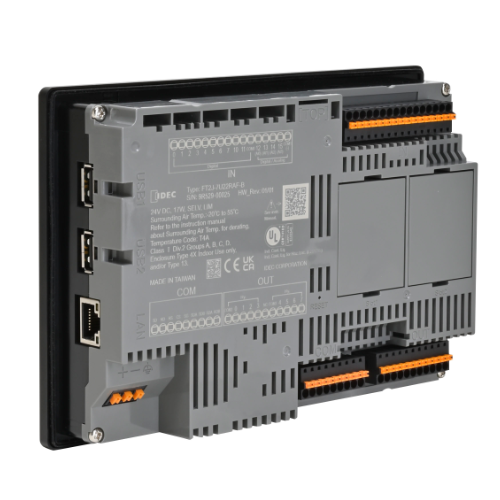
Compact & Powerful Automation Solution: IDEC’s FT2J 7-inch PLC+HMI Now Available from Live Electronics!

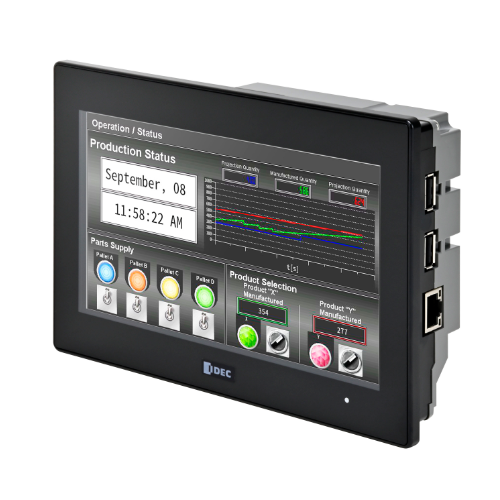
A new all-in-one PLC and HMI system from Live Electronics looks set to make it easier, faster and more cost-effective for industrial OEMs to design, install and maintain automation and robotic equipment. Manufactured by IDEC, a leading industrial component company, the new FT2J system is powerful, adaptable and simple to use and install. 

The standout feature of the IDEC FT2J is its space-saving design. By integrating the functionalities of a PLC and an HMI into one unit, the FT2J significantly reduces the complexity and space requirements traditionally associated with separate devices. This makes it an ideal choice for applications where space is limited but performance and functionality cannot be compromised. 

The FT2J is designed with a user-friendly interface that features a 7-inch high-resolution display with projected capacitive touch technology. The colour display boasts an 800 x 480 pixel resolution, providing clear and detailed visuals that make it easy for operators to monitor and control their systems. This ensures that even in demanding environments, users can interact with their systems with ease and accuracy. 

Ruggedness and reliability are key attributes of the FT2J. It is built to endure harsh industrial conditions, featuring IP66-rated protection that safeguards against dust, water, and extreme temperatures. This robust construction ensures the FT2J can maintain high performance and reliability even in the most challenging environments, making it a dependable choice for industries that demand durability. 

In addition to its robust design, the FT2J offers flexible connectivity options, including Ethernet, USB, and serial ports. This allows for seamless communication with other industrial devices and systems, facilitating efficient data exchange and integration. 

Exploring the Power and Potential of IoT: Understanding MQTT Protocol


At the heart of the Internet of Things (IoT), where devices seamlessly communicate with each other to bring convenience and efficiency into our everyday lives, lies a crucial element that facilitates this interconnectedness – the MQTT protocol.  

What is MQTT? 

MQTT, or Message Queuing Telemetry Transport, is an efficient messaging protocol designed for low-bandwidth, high-latency, or unreliable networks. MQTT was created with the goal of enabling efficient communication to remote devices, making it ideal for IoT applications. 


How does MQTT work? 

At its core, MQTT operates on a publish-subscribe messaging model. This model involves three key components: publishers, subscribers, and a broker. 

  • Publishers: Devices that generate data and publish messages to a specific topic. 
  • Subscribers: Devices or applications that receive messages by subscribing to a specific topic. 
  • Broker: Acts as an intermediary between publishers and subscribers. It receives all messages from publishers and distributes them to the appropriate subscribers based on topic subscribers. 

The lightweight nature of MQTT is evident in its minimal overhead operations. Messages are small, typically consisting of a topic and payload. This efficiency makes MQTT well-suited for scenarios where network bandwidth and device resources are limited. 

Key Features and Advantages 

1. Asynchronous Communication: MQTT enables asynchronous communication, allowing devices to send and receive messages independently of each other. This asynchronous nature reduces the need for constant polling (how many times the subscriber contacts the broker), conserving battery life and reducing network congestion. 


2. Quality of Service (QoS) Levels: MQTT offers three levels of QoS, providing flexibility in message delivery: 

  • QoS 0 (At most once): Messages are delivered at most once, with no confirmation or acknowledgement. 
  • QoS 1 (At least once): Messages are delivered at least once, guaranteeing that they reach the receiver but allowing for duplicates. 
  • QoS 2 (Exactly once): Messages are delivered exactly once, ensuring both message integrity and order. 


3. Last Will and Testament (LWT): MQTT supports the LWT feature, which allows a client to specify a message to be published by the broker in case the client disconnects unexpectedly. This ensures smooth handling of client disconnections and enables applications to react accordingly. 


4.Retained Messages: Retained messages are special messages that brokers store and deliver to new subscribers upon subscription. This feature is useful for providing initial state information to newly connected devices or applications. 

Applications of MQTT 

The versatility and efficiency of MQTT make is suitable for a wide range of IoT applications, some of which include: 

  • Smart Home Automation: MQTT facilitates communication between various smart home devices such as thermostats, lights and sensors, enabling seamless automation and remote control. 
  • Industrial IoT (IIoT): In industrial settings, MQTT is utilised for real-time monitoring and control of machinery, predictive maintenance and asset tracking. 
  • Environmental Monitoring: MQTT enables the collection and transmission of environmental data, such as temperature, humidity and air quality, for applications in agriculture, weather monitoring and pollution control. 
  • Healthcare: In healthcare, MQTT can be applied for remote patient monitoring, asset tracking within hospitals and coordination of medical devices and equipment.  

As the IoT continues to grow rapidly, the need for efficient and scalable communication protocols becomes increasingly more important. MQTT stands out as a dependable solution, offering lightweight messaging, asynchronous communication and support for various QoS levels.